


Will the Bill on Electricity Amendment change the power sector for the better?
A proposed Bill to introduce significant changes in the electricity sector has elicited varied views from industry insiders.
The Electricity (Amendment) Bill, 2022 was introduced in Lok Sabha on August 8. It proposes significant changes related to contract enforcement, payment security, energy transition and the need to provide a choice to consumers — wherein they can choose among multiple licensees to promote competition.
The Bill has been referred to a standing committee and will be decided September 11.
Moreover, most generators are not in sync with the recent late payment surcharge rules being notified by the Centre. Therefore, it would be difficult to say that transactions would be smooth, he said.
There are many enabling provisions in the contract, too, including the opening of a payment security mechanism which is enforceable by the court of law. However, most of them have not been implemented till now, explained Moza.
Moreover, the order related to the payment security mechanism was issued by the Centre by a circular issued on June 28, 2019. Later, it was observed that generating companies have provided consent to schedule the power without any security, the UPERC official said.
Violation of rules will book the doors of courts. Therefore, we will have to see whether this will resolve the issue as generators will ultimately have to sell their power under the Power Purchase Agreement, warned Moza.
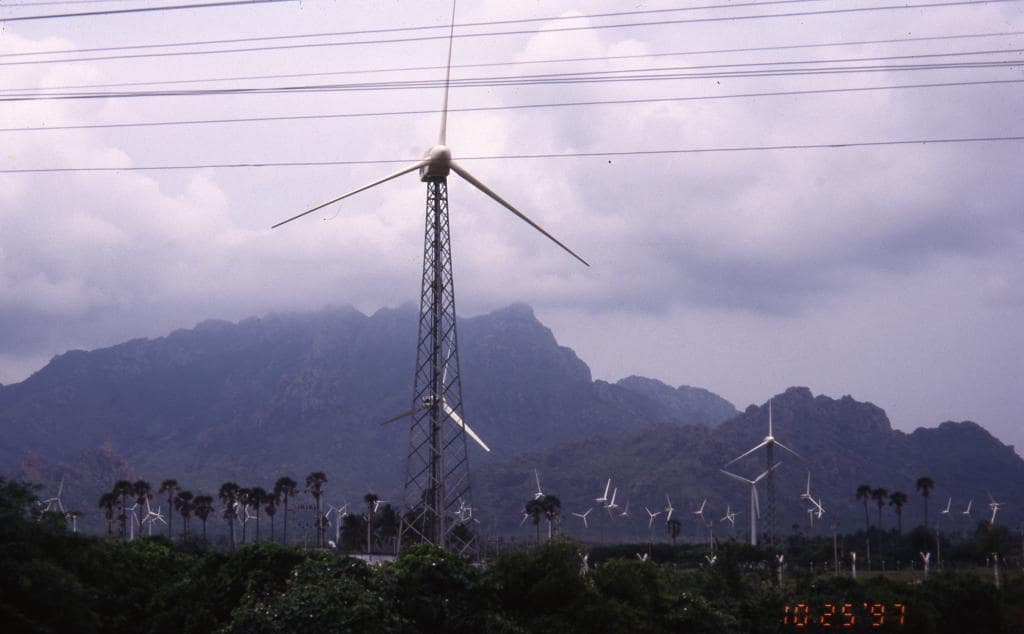
Another issue raised is whether this Bill will help enable policies to take decisions on matters that concern the RE sector — such as wind repowering and demand aggregation for rooftop solar.
The Bill introduces provisions that can enable retail-level open access, i.e. providing consumers with the power to choose their electricity supplier, said Agarwal.
Inducing competition in the distribution sector can introduce discipline and efficiency in operations and finances. It can also bring in incentives for discoms to revisit their power procurement contracts and reduce the cost of purchase, she added.
If Delhi discoms had procured from alternate sources like the power exchange or a round-the-clock RE source instead of Dadri Stage I between April 2019 and November 2020, they would have saved Rs 1,050 to Rs 1,098 crore, largely due to avoided fixed costs, CEEW research has found.
“With competition, discoms may think of leveraging distributed RE resources to manage their peak power demand more cost-effectively, giving the required impetus to rooftop solar, and lowering the overall cost to consumers,” it said.
The inherent benefits of a rooftop solar system in Delhi’s BSES Rajdhani’s (BRPL) distribution area outweigh its revenue loss, a CEEW study found. BRPL stood to gain Rs 0.22/ kiloWatt per hour for every unit of electricity being generated from rooftop solar.
The efficiency of power consumption by industries depends on tariff, stated Chaudhuri — the more the tariff, the more companies opt for measures to conserve energy. However, if the tariff is increased, then industries go for captive power generation, where electricity is less expensive.
For instance, solar PV is now less expensive; therefore, most industries will go in for captive power generation. “Due to the introduction of this Bill, the price of electricity will be high, more so as coal will be imported for the power plant. In such a scenario, industries will opt for renewables,” Chaudhuri added.
He feels that with this Bill, industries will be encouraged to put up captive power solar plants. The discoms that have not been interested till now but will be compelled to buy solar from different producers or from states producing solar owing to the Bill.
Due to open access, many industries will be able to procure solar from power producers. Moreover, it is an opportunity to buy clean energy from any coal-based/clean energy company, which is not the case now. If one wants to buy clean energy currently, one can only purchase captive, which must be approved by the discom.
Taking powers of the Commission to fix Renewable Purchase Obligations (RPOs) can mean stricter RPO’s and this may lead to more flow of renewables, according to Moza.