


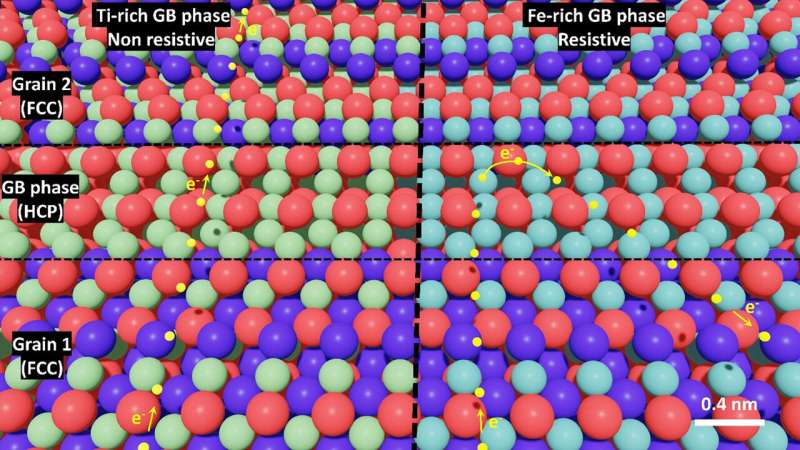
In times when energy is scarce and sustainable ways of energy production are being explored, thermoelectric materials are being considered for power generation to transform waste heat into electricity. However, to make this transformation more efficient, and thus usable on an industrial scale, a better understanding of the functional and
In times when energy is scarce and sustainable ways of energy production are being explored, thermoelectric materials are being considered for power generation to transform waste heat into electricity. However, to make this transformation more efficient, and thus usable on an industrial scale, a better understanding of the functional and
In times when energy is scarce and sustainable ways of energy production are being explored, thermoelectric materials are being considered for power generation to transform waste heat into electricity. However, to make this transformation more efficient, and thus usable on an industrial scale, a better understanding of the functional and
In times when energy is scarce and sustainable ways of energy production are being explored, thermoelectric materials are being considered for power generation to transform waste heat into electricity. However, to make this transformation more efficient, and thus usable on an industrial scale, a better understanding of the functional and
In times when energy is scarce and sustainable ways of energy production are being explored, thermoelectric materials are being considered for power generation to transform waste heat into electricity. However, to make this transformation more efficient, and thus usable on an industrial scale, a better understanding of the functional and
In times when energy is scarce and sustainable ways of energy production are being explored, thermoelectric materials are being considered for power generation to transform waste heat into electricity. However, to make this transformation more efficient, and thus usable on an industrial scale, a better understanding of the functional and
In times when energy is scarce and sustainable ways of energy production are being explored, thermoelectric materials are being considered for power generation to transform waste heat into electricity. However, to make this transformation more efficient, and thus usable on an industrial scale, a better understanding of the functional and
In times when energy is scarce and sustainable ways of energy production are being explored, thermoelectric materials are being considered for power generation to transform waste heat into electricity. However, to make this transformation more efficient, and thus usable on an industrial scale, a better understanding of the functional and
In times when energy is scarce and sustainable ways of energy production are being explored, thermoelectric materials are being considered for power generation to transform waste heat into electricity. However, to make this transformation more efficient, and thus usable on an industrial scale, a better understanding of the functional and