


How Its Cyber researcher pioneers method to track groups of anomalous users 2012
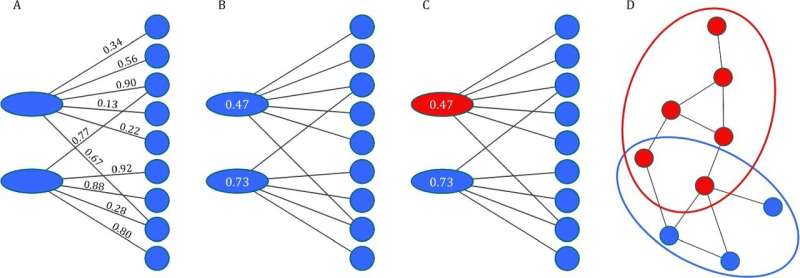
Malicious or fictitious users on internet networks have become the bane of the internet’s existence. While many bemoan their increasing frequency, few have developed methods to track and expose them. A Ben-Gurion University of the Negev researcher has developed a new method to detect groups of anomalous users.An anomalous user community might be one that is promoting violent behavior or extremism, one that is spreading fake news, but it could potentially also help locate hot spots during pandemics, the researchers wrote.
One of the advantages of their method, which they named Co-Membership-based Generic Anomalous Communities Detection Algorithm (CMMAC), is that it is not restricted to a single type of network.
“Our method is generic. Therefore, it can potentially work on different types of social media platforms. We tested it on several different types of networks, such as Reddit and Wikipedia (which is also a type of social network),” explains Dr. Fire.
After testing their method on randomly generated networks and real-world networks, they found that it outperformed many other methods in a range of settings.